

How AI Development Can Transform Custom Software Solutions
— BlogAI development is no longer optional in modern software ecosystems. Businesses today expect software to be intelligent, adaptive, and capable of improving over time. Static systems fall short. AI-powered solutions, on the other hand, evolve with data. This matters for organizations investing in long-term digital products. This blog explains how AI development reshapes custom software solutions, where it delivers real value, and what companies should consider before implementation. The focus stays practical. Clear use cases. Real outcomes. No theory-heavy discussion.
Why AI Is Now Core to Custom Software
AI changes how software behaves. Instead of following fixed instructions, systems learn patterns and adjust responses. This makes software faster, smarter, and more efficient. A Custom Software Development Company integrates AI at architecture level, not as a surface feature. That difference matters. AI works best when data pipelines, logic flows, and infrastructure are designed around it.
Common AI capabilities include:
- Predictive analytics
- Intelligent automation
- Pattern recognition
- Real-time decision support
These are not experimental features anymore. They are expected.
How AI Improves Software Performance
Smarter Decisions, Less Guesswork
AI systems analyze large datasets in seconds. Humans can’t. This allows software to:
- Predict trends before they appear
- Detect anomalies early
- Optimize operations automatically
Used correctly, AI reduces dependency on manual review. Decisions become data-backed. Faster too.
Automation That Learns
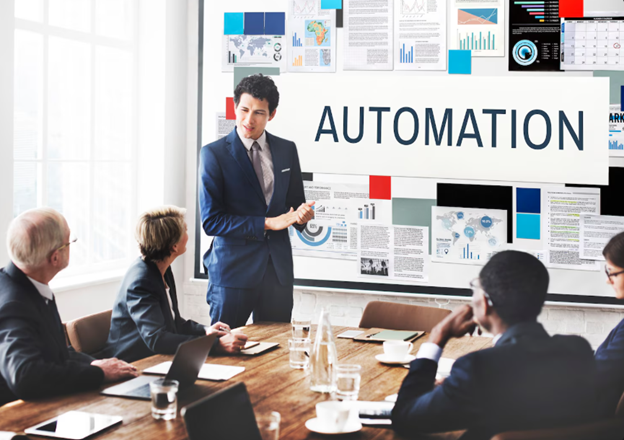
Traditional automation breaks when inputs change. AI does not. It adapts.
Examples include:
- Automated ticket routing
- Dynamic pricing systems
- Intelligent resource allocation
The system improves as usage grows. That’s the advantage.
Real-World AI Use Cases in Custom Software
Internal Business Systems
AI simplifies operations by removing repetitive tasks. Popular implementations include:
- Document processing
- Smart scheduling
- Forecasting tools
These systems reduce error rates. They save time. Teams notice quickly.
Customer-Facing Platforms
AI improves user experience without making it obvious. Quiet intelligence.
Use cases include:
- Personalized dashboards
- Recommendation engines
- Behavior-based UI changes
Small improvements. Big impact.
Why Expertise Matters in AI Development

AI implementation is not plug-and-play. Data quality, security, and model accuracy all matter. Poor execution leads to poor results.
Working with Professional Ai Developers ensures:
- Proper data preparation
- Ethical model design
- Stable system performance
- Long-term scalability
AI should support the business. Don’t complicate it.
Best Practices for AI Integration
To avoid wasted effort, companies should follow clear rules:
- Start with a business problem, not AI tools
- Use AI only where it adds value
- Plan monitoring from day one
- Keep models explainable
AI for show rarely works. AI for outcomes does.
Architecture, SEO and Maintainability
AI-enabled software must be modular. Models change. Systems shouldn’t break. Clean architecture allows updates without downtime.
AI also supports SEO and platform performance by:
- Improving content relevance
- Enhancing search accuracy
- Supporting personalization logic
Conclusion
AI development transforms custom software by making systems adaptive, intelligent, and scalable. When done correctly, AI becomes a strategic asset. Not a risk. Businesses planning future-ready platforms should treat AI as core infrastructure. Not an add-on. For tailored AI-driven custom software solutions, connect with Emyoli Technologies LTD.
FAQs
How does AI enhance custom software development?
AI enables learning systems that improve accuracy, automation, and decision-making.
Is AI suitable for mid-size businesses?
Yes. When scoped properly, AI delivers measurable ROI even at smaller scale.
What industries benefit most from AI software?
SaaS, healthcare, finance, logistics, and data-driven platforms.
Does AI software require ongoing maintenance?
Yes. Models must be monitored, refined, and retrained regularly.